Understanding Mobility Scooters: A Comprehensive Guide
Mobility scooters have actually become a vital tool for people who deal with mobility obstacles, providing self-reliance and a way of transportation. They are developed to assist users in navigating different terrains, whether inside your home or outdoors, enabling them to engage more completely in everyday activities. This post will explore the types of mobility scooters, their features, advantages, and factors to consider for potential users.
What is a Mobility Scooter?
A mobility scooter is a motorized automobile produced individuals with physical limitations. It helps users keep their mobility and self-reliance, supplying an effective ways of transportation over short distances. While they might look comparable to small electric cars, mobility scooters are generally powered by batteries, with controls created for ease of usage.
Types of Mobility Scooters
There are several kinds of mobility scooters offered in the market, each developed to accommodate different requirements and preferences. Here's a breakdown of the most common types:
| Type of Mobility Scooter | Description | Best For |
|---|---|---|
| Three-Wheeled Scooters | These scooters offer outstanding maneuverability and small turning radius but might do not have stability. | Indoor usage and tight spaces. |
| Four-Wheeled Scooters | Frequently more stable than three-wheeled models, these scooters are perfect for outside usage. | All-terrain travel and outside activities. |
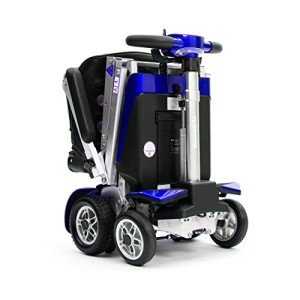
| Portable Scooters | Lightweight and foldable, these scooters are developed for easy transportation. | Travelers and people with limited storage area. |
| Sturdy Scooters | Built for bigger users, these are robust and can manage heavier weights, typically geared up with much better battery life. | Users requiring extra assistance and stability. |
| Feature-Rich Scooters | These may include sophisticated technology such as Bluetooth connection, integrated GPS, and adjustable seating. | Tech-savvy users searching for convenience and convenience. |
Key Features of Mobility Scooters
When selecting a mobility scooter, buyers ought to think about numerous vital features. The following list describes crucial factors that can greatly influence their experience:
- Weight Capacity: Understanding the scooter's weight limit is essential to ensure safety and performance.
- Battery Life: A longer battery life equates to more prolonged usage in between charges, which is essential for lengthy trips.
- Speed: Typical mobility scooters can reach speeds between 4 to 8 miles per hour, however it's necessary to choose one that fits the user's needs.
- Comfort: Look for adjustable seats, armrests, and back-rests that enhance the total riding experience.
- Portability: If taking a trip often, a lightweight and collapsible scooter is advantageous.
- Surface Capability: Some scooters are better geared up for rough terrains, while others work best on smooth surface areas.
Advantages of Using Mobility Scooters
Mobility scooters provide a number of advantages that can substantially enhance users' lifestyle. These include:
Increased Independence
Many individuals who have problem with mobility depend on family or caretakers for transportation. Mobility scooters empower users to move about easily and carry out errands on their own, cultivating a sense of self-reliance and self-sufficiency.
Boosted Quality of Life
Having the capability to take a trip unassisted can lead to social engagement, enhanced mental wellness, and overall much better quality of life. Users can take part in social activities, check out pals and family, and explore their communities.
Cost-Effectiveness
Compared to other mobility help or services, mobility scooters can be more cost-effective. They can get rid of the requirement for expensive modifications to homes or reliance on transportation services.
Adjustability and Customization
Many mobility scooters come with choices for modification, ensuring that users can customize them to best meet their specific needs.
Considerations Before Purchase
Before selecting the right mobility scooter, prospective purchasers should keep these considerations in mind:
- Lifestyle Needs: Assess how the scooter will suit everyday regimens, including the frequency and locations of use.
- Trial Rides: If possible, taking a couple of designs for a test drive can assist assess comfort and maneuverability.
- Budget: Costs can vary extensively, so defining a spending plan upfront is necessary.
- Guarantee and Service: Always think about the service warranty offered and the schedule of customer care in case of repairs.
Frequently Asked Questions About Mobility Scooters
1. How quickly do mobility scooters go?
Mobility scooters normally range from 4 to 8 miles per hour, depending upon the design and its power capacity.
2. Are mobility scooters covered by insurance?
Many insurance coverage strategies might cover part of the expense if a doctor prescribes the scooter; however, policies vary substantially.
3. Can I drive a mobility scooter on the roadway?
This depends upon regional laws and policies. In some locations, mobility scooters may be permitted on public roads, while in others, they are restricted to pathways and pathways.
4. The length of time does the battery last?
Battery life usually depends on the scooter model and type of use. Common mobility scooter batteries can last anywhere from 6 to 12 miles on a single charge.
5. Are mobility scooters safe?
Mobility scooters are normally safe when used appropriately. It's vital to acquaint oneself with the controls and run them properly.
Mobility scooters play a vital function in the lives of individuals with mobility challenges. By understanding Zulema Bressi , functions, benefits, and factors to consider connected with these lorries, users can make educated options. This can lead to increased self-reliance, a much better quality of life, and renewed access to the world around them. Whether for social trips, errands, or recreational activities, a mobility scooter can be a life-changing investment for lots of people.